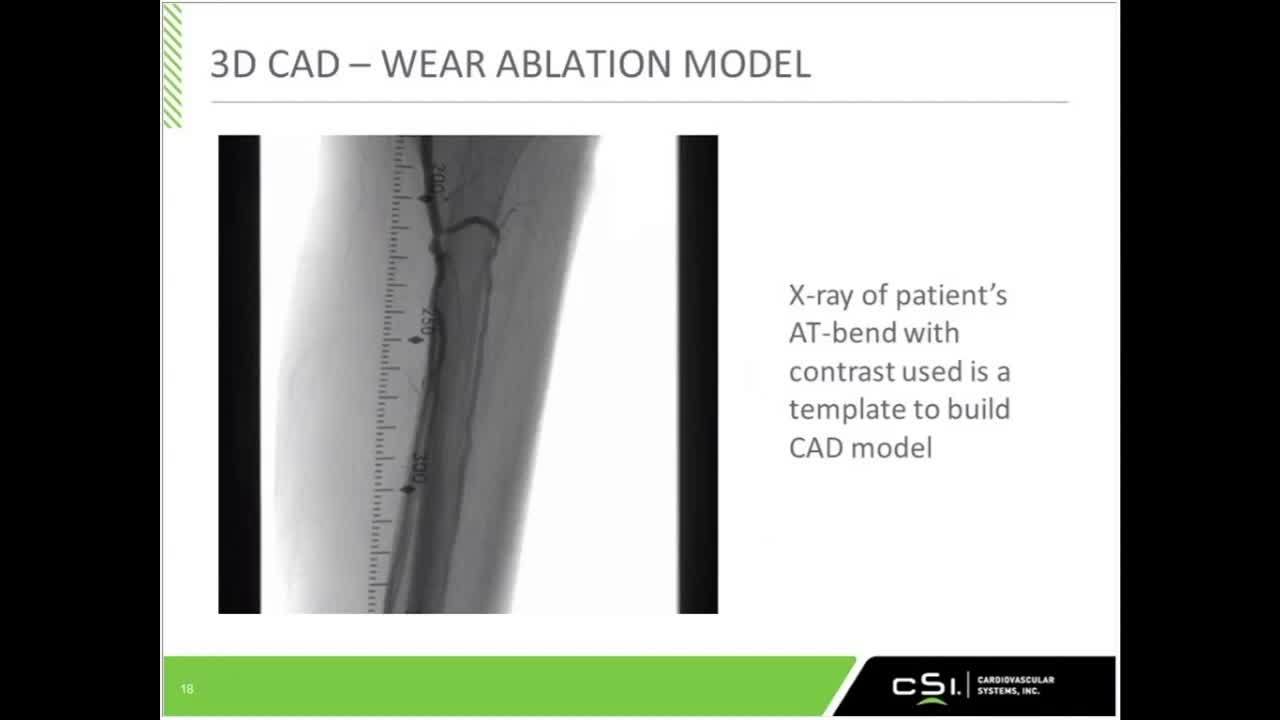
Hear how Cardiovascular Systems, Inc., (CSI), a medical device company focused on treating peripheral and coronary artery disease, uses FDM and PolyJet 3D printing to develop cardiovascular instruments more quickly and cost-effectively. Learn more: https://www.stratasys.com/3d-printers/j750-digital-anatomy
L'impression 3D au bureau : Comment amener le prototypage de qualité industrielle dans votre espace de travail
Learn how office friendly 3D printing enables safe, quiet, industrial quality prototyping using FDM and PolyJet technologies in professional workspaces.
FDM ou FFF : quelle est la meilleure solution pour le prototypage et la production ?
What’s the difference between FDM® and FFF 3D printing? Learn how production-grade Stratasys FDM delivers repeatability, traceability, and reliability beyond generic FFF systems.
Learn how office friendly 3D printing enables safe, quiet, industrial quality prototyping using FDM and PolyJet technologies in professional workspaces.
What’s the difference between FDM® and FFF 3D printing? Learn how production-grade Stratasys FDM delivers repeatability, traceability, and reliability beyond generic FFF systems.